Dear Facilitators,
Welcome to the eight CXC facilitation newsletter (the first one in 2024)!
Unsurprisingly, the start of 2024 has been marked by a continuation, if not a worsening, of the many crises we experienced in 2023. Conflict and violence, poverty and inequality, climate change and biodiversity loss do not stop when the fireworks go off around the world to welcome the new year.
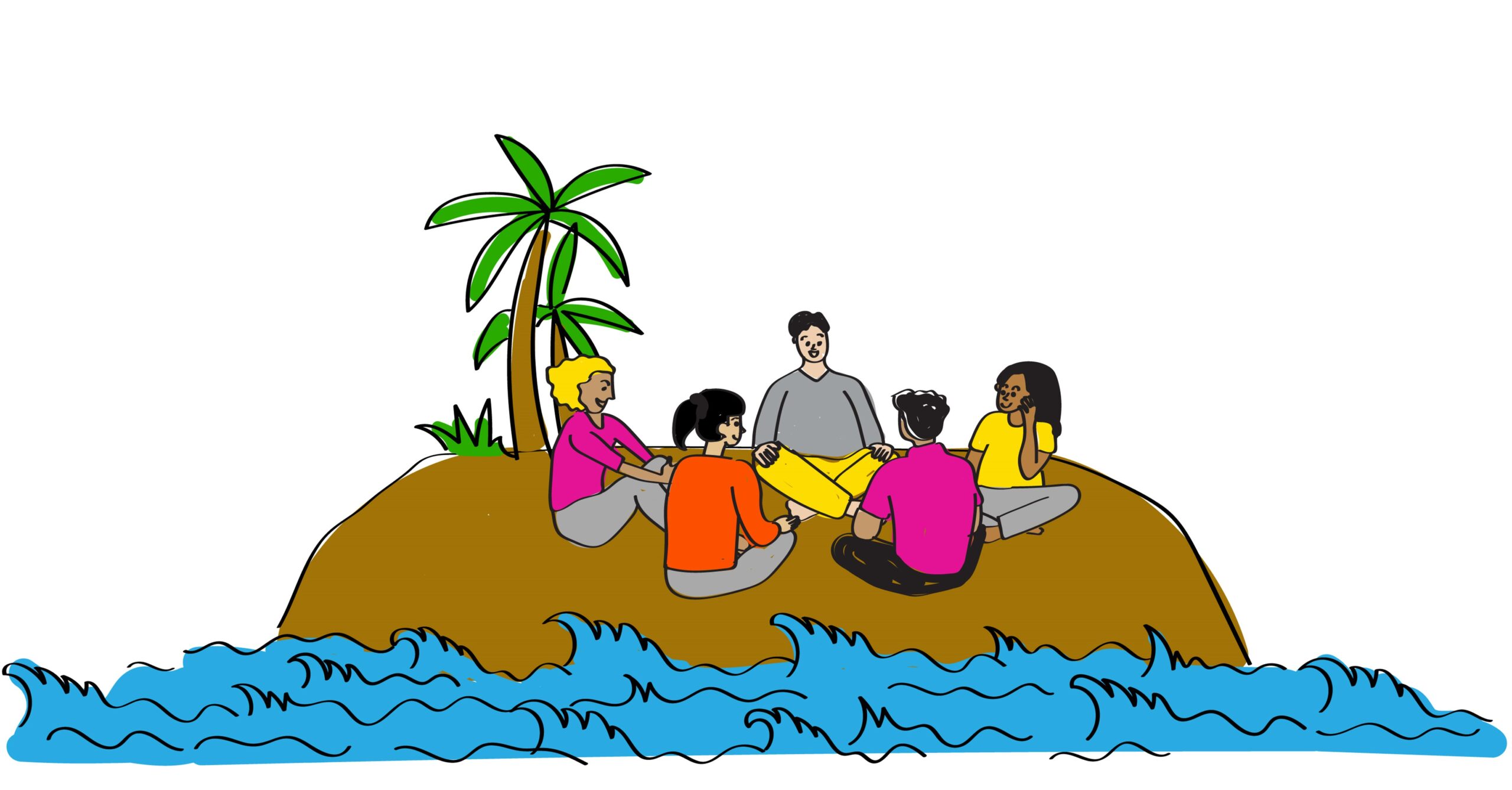
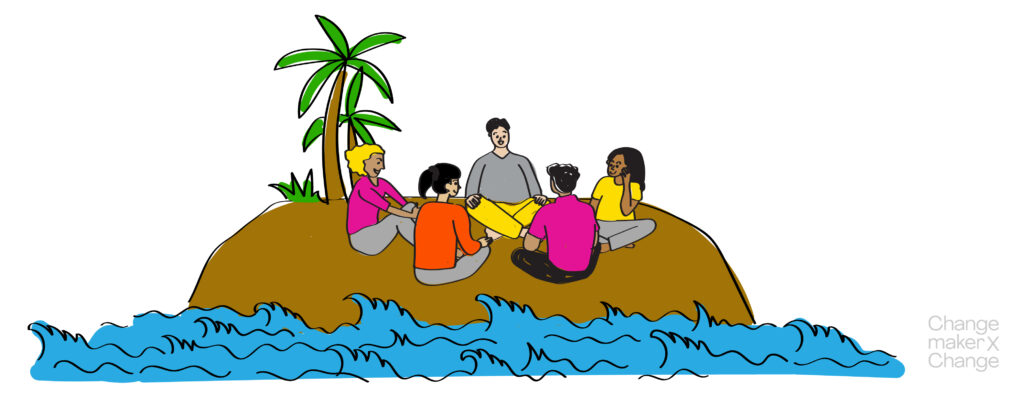
So, our work as facilitators for social justice, as conveners of changemakers, as hosts of brave spaces, continues relentless. With this newsletter, we invite you to join us as “warriors for the human spirit” to create “islands of sanity in the midst of this destructive sea” (Margaret Wheatley, Who do you choose to be? An invitation to the nobility of leadership, 2017).
Righteous anger?
Anger is one of the core emotions we all experience, alongside fear, joy, sadness, and disgust. At times, it seems the only appropriate response to the horrors and tragedies we witness. How can we not be angry in the face of injustice, dehumanisation, and oppression? And we should be angry.
But what happens when anger becomes our driving force? How far can it carry us in our facilitation for social and environmental justice? Unfortunately, the energy it gives us is short-lived and can instead become the source of cynicism, disengagement, and burnout. It ends up clouding our perception and making us blind.

Seeing clearly
What is needed then, to see clearly? We need to learn to open our minds and hearts to what life is offering us in this moment. This opening up requires a lot of courage, but the more open we become, the less fear we experience. We then can become what Meg Wheatley refers to as warriors for the human spirit – “leaders willing to defend and support people, leaders who remember and value what humans are capable of creating together.”

Building islands of sanity
The time is ripe for us to reclaim “time to think together and learn from our experiences.” Facilitation can be a powerful means to offer such a space and build islands of sanity. Here are six questions Meg Wheatley invites us to ask, which we have adapted to fit your role as a facilitator.
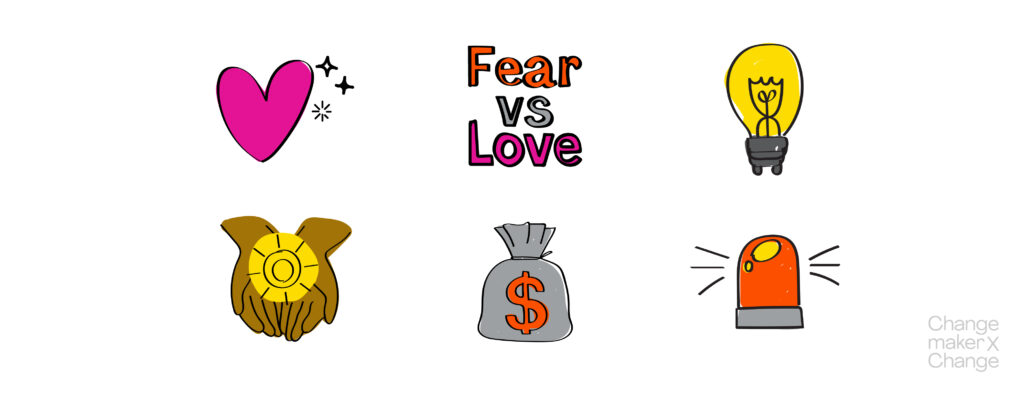
- Quality of relationships: From a few years ago to now and looking ahead a few years, how are people you are convening relating to each other? Has trust increased or declined? Are people more self-protective or less so? Are they more willing to be there for one another or not? What evidence do you have for any of your answers?
- Fear versus love: Which reaction, fear or love, is the more likely emotional response to the specific situations you facilitate or specific issues you address? Are either of these emotions coming to dominate as time goes on? In your facilitation, what role does fear play? What about love? Do you use fear or love to motivate people?
- Quality of thinking: How difficult is it to find time to think, personally and with others? How would you assess the level of learning in your group/team/organisation/community? How are you applying what you’re learning? Is long-term and futures thinking part of your conversations, decision making, and planning?
- Willingness to contribute: What invitations to contribute have you extended and why? How have people responded? What are your expectations for people being willing to step forward? Are those higher or lower compared to a few years ago?
- The role of money: How big an influence, compared to other criteria, do financial issues have on decisions? Has money become a motivator for you? For your group/team/organisation/community? Has selfishness replaced service? What evidence do you have?
- Crisis management: What do you do when something goes wrong (meaning in a setting you’re facilitating)? How well do you and your participants communicate during the crisis? Where did trust or distrust factor in? To what extent did you honour your values through the behaviours and choices you made?
Do not rush. Take your time. Ask these questions. And then ask them again. Share them with your co-facilitators and fellow conveners. Remember, perseverance is not a one-time choice, but a daily one, and a conscious one.
•••

If you sense the need to share your reflections with other facilitators and/or are intrigued to learn from their reflections, we invite you to join our next practice call on Thursday, 29 February 2024 at 3:00–4:00 pm GMT+1. You will be welcomed to an intimate island of sanity where you can practise opening your mind and hearts to receive what is unfolding within and around you.
The call will take place on Zoom (link here) and you will shortly receive a calendar invite. Please either accept, tentatively accept, or decline the invite so we know how many of you will be there.